Every August, thousands of students pour into St. Louis to attend world-class institutions like Washington University, SLU, and UMSL. For local landlords, renting to college students offers a highly lucrative, recession-proof tenant pool, if you know how to manage it.
Student rentals come with unique risks: first-time renters who don’t know how to maintain a home, complex multi-roommate dynamics, and the challenge of establishing financial accountability with tenants who have zero credit history.
By structuring leases with joint-and-several liability, utilizing ironclad parent guarantors, and establishing clear maintenance boundaries, St. Louis landlords can safely maximize their returns in the competitive student housing market.
- The "Joint and Several Liability" Safety Net When Renting to College Students
- The Parent Guarantor (Securing Financial Accountability)
- Student Tenant Education (Preventing Turn-Over Trashing)
- Navigating Neighborhood Dynamics and Local Municipal Codes
- Balancing Student Life with Property Preservation
- The Avenue Residential Leasing & Property Management Advantage
- Conclusion
The “Joint and Several Liability” Safety Net When Renting to College Students

When renting to college students, you can’t treat multi-tenant arrangements as individual micro-accounts. If you rent a four-bedroom historic flat near Skinker Boulevard to four separate undergraduates, managing four isolated balances creates an administrative nightmare. More importantly, it exposes your cash flow to unearned risk if one tenant suddenly drops out of school or experiences financial hardship mid-semester.
Individual Leases vs. Joint and Several Leases
| Lease Model | Structure | Default Handling | Risk Level |
| Individual Leases | 4 separate contracts ($750 each) | Landlord absorbs the loss if Student A defaults | High risk of cash flow loss |
| Joint & Several Lease | 1 combined contract ($3,000 total) | Remaining tenants & guarantors must cover the missing $750 | Low risk; total rent is legally protected |
Structuring a Joint and Several Liability Lease in St. Louis
- Define Joint and Several Explicitly: Ensure your contract includes a clear joint and several liability clause. This legal term means that every signatory on the lease—and by extension, their co-signers—is collectively and individually responsible for 100% of the monthly rent and any property damage. If one roommate defaults on their portion, the remaining tenants are legally obligated to cover the deficit.
- Single Payment Mandate: Never accept multiple individual checks, peer-to-peer transfers, or fragmented partial payments. Mandate that rent must be paid as a single lump-sum transaction through a centralized online tenant portal. This shifts the operational burden of collecting individual shares onto the roommates themselves, forcing them to coordinate internally before paying rent.
- Mandatory Roommate Addendums: Require all student occupants to sign a standardized roommate addendum along with the master lease. This internal agreement clearly outlines how utility bills are split, how quiet hours are respected, and how damage inside shared common areas gets apportioned among the residents.
The Parent Guarantor (Securing Financial Accountability)

Most full-time college students lack established credit profiles, verifiable employment, or an income history that meets the standard industry threshold of three times the monthly rent. When renting to college students in Missouri, bridging this financial gap requires securing strong, verifiable co-signers.
A student lease without a properly executed, fully screened co-signer agreement is essentially an unsecured loan.
Establishing Guarantor Systems When Renting to College Students
| Screening Step | Action Required | Risk Mitigated |
| Guarantor Application | Run full credit, criminal background, and income verification on co-signers | Unfunded rent defaults or fraudulent applications |
| Out-of-State Verification | Draft contracts enforceable under Missouri Chapter 441 landlord-tenant laws | Jurisdictional challenges with out-of-state parents |
| Liability Orientation | Provide explicit disclosures linking guarantors to joint-and-several terms | Misunderstandings regarding partial rent responsibility |
When using a parent guarantor for a rental property becomes part of your standard operating procedure, treat the parent exactly like a primary prospective tenant. Collect a complete application, verify their household income, check their credit score, and require them to sign a binding co-signer agreement.
Because Washington University and Saint Louis University draw scholars from across the country and around the globe, landlords frequently encounter out-of-state or international parents. Ensure your legal documentation is fully enforceable under Missouri law, regardless of where the co-signer resides.
For international students whose parents lack domestic credit profiles or social security numbers, establish a clear, non-discriminatory policy. This may include requesting advanced rent payments or an increased security deposit, where allowed by local laws. Under the Missouri Attorney General Landlord-Tenant Guidelines, security deposits cannot exceed two months’ rent.
Student Tenant Education (Preventing Turn-Over Trashing)
For many young adults, moving into off-campus housing near SLU or WashU represents their very first experience living independently. They often lack practical knowledge regarding basic residential upkeep, such as preventing mold growth, locating main water shut-off valves, or changing HVAC filters.
Proactive tenant education is the most effective way to protect your physical asset from unnecessary wear and tear when renting to college students.
Three-Phase Student Lifecycle Management
- Move-In Phase (First-Time Renter Guide): Provide new tenants with a straightforward, highly visual guide upon move-in. Cover crucial practical items like garbage disposal dos and don’ts (e.g., keeping grease, pasta, and coffee grounds out of the drain), how to prevent frozen pipes during cold Missouri winters, and how to operate circuit breakers.
- Mid-Semester Phase (Mandatory Inspections): Schedule routine property walk-throughs in October and March. Use these visits to check for unaddressed leaks, inspect battery levels in smoke detectors, verify HVAC filter changes, and catch unpermitted pets or unauthorized sub-tenants early.
- Spring Phase (Turnover Planning): Student moving cycles operate on strict, non-negotiable timelines dictated by academic calendars. Send clear move-out instructions and detailed cleaning expectations in early spring. Providing a checklist of required cleaning tasks well in advance gives students ample time to organize their schedules and return the property in good condition.
Navigating Neighborhood Dynamics and Local Municipal Codes
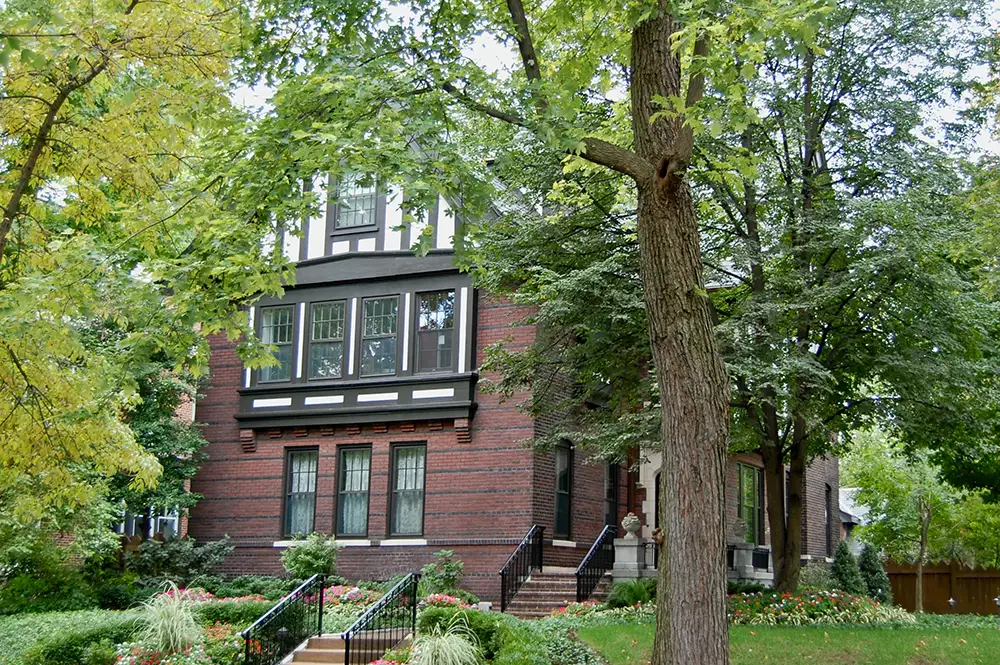
Navigating the local rental market requires an understanding of regional zoning rules, building codes, and municipal occupancy limitations. St. Louis features distinct sub-markets surrounding its major academic institutions, each with its own specific operational requirements.
Key St. Louis Student Neighborhoods
| Neighborhood | Surrounding Institutions | Key Characteristics & Requirements |
| Central West End Rentals | WashU School of Medicine, SLU | Medical students, nursing candidates, historic architectural preservation standards |
| University City Housing Codes | WashU Danforth Campus | High undergraduate density, strict municipal inspection standards, single-family occupancy limits |
| Midtown & Forest Park Southeast | SLU Main Campus, Cortex Innovation Community | Urban multi-family units, high transit demand, vibrant young adult population |
For properties located within city limits, brush up on local municipal requirements via the City of St. Louis Building Division. Obtaining an official Residential Occupancy Permit requires passing a baseline inspection to ensure safety standards are met before new tenants move in.
When setting up SLU student apartments, landlord requirements, or drafting a WashU off-campus landlord guide, stay mindful of local nuisance ordinances. Student parties or noise complaints can lead to municipal fines if not properly managed through clear lease provisions. Review comprehensive real estate regulations on the Missouri Division of Professional Registration to ensure your leasing practices align fully with state real estate laws.
Balancing Student Life with Property Preservation
Successfully renting to college students in Missouri requires striking a careful balance between offering an appealing living space and maintaining a durable, damage-resistant rental unit. Investing in heavy-duty finishes upfront dramatically reduces turnover maintenance costs down the road.
High-ROI Property Upgrades for Student Housing
| Standard Finish | High-Durability Upgrade | Long-Term Benefit |
| Wall-to-Wall Carpet | Luxury Vinyl Plank (LVP) Flooring | Water-resistant, scratch-proof, and easy to sanitize during turnovers |
| Traditional Key Locks | Smart Electronic Keypads | Eliminates lockout emergency calls and rekeying costs every summer |
| Standard Latex Paint | Washable Semi-Gloss Paint | Prevents scuffs from turning into full wall repainting jobs |
To streamline tenant communications and track maintenance requests efficiently, consider reviewing resources provided by the National Apartment Association on property management software and resident portal implementations. Digital reporting platforms encourage students to submit maintenance tickets promptly when small leaks occur, rather than ignoring them until they turn into expensive structural repairs.
The Avenue Residential Leasing & Property Management Advantage

Managing student turnovers, chasing down four different co-signers, and mediating roommate disputes can quickly feel like a stressful, unpaid resident advisor job.
At Avenue, we have years of experience managing student-heavy portfolios near Central West End, University City, and Midtown. We streamline the process with automated co-signer screening, specialized student lease riders, and digital maintenance reporting that makes it easy for tech-savvy students to report issues early.
We protect your historic property from student wear-and-tear while ensuring 100% on-time rental collections through our institutional-grade guarantor systems.
Whether you need support evaluating tenant applications, setting up compliant leases, or seeking complete hands-off management, partnering with a professional management team ensures your rental operating strategy remains smooth and profitable year after year. Explore our comprehensive services through our Avenue Residential Leasing & Management portal, review our specialized approach to St. Louis property management, or contact our team directly.
Conclusion
Student housing across the St. Louis metropolitan area remains one of the most reliable, high-yield wealth-building niches in residential real estate investment. However, renting to college students requires a specialized, proactive management approach distinct from standard residential leasing.
Protecting yourself with joint liability lease clauses, screening parent guarantors thoroughly, and teaching basic home care will ensure your student rental remains highly profitable year after year.
Own a property near WashU, SLU, or Webster and feeling overwhelmed by the upcoming student turnover? Contact Avenue Residential Leasing & Management today to see how our specialized student management programs protect your property and boost your bottom line.