When the St. Louis humidity spikes and temperatures climb past 95°F, a St. Louis rental property HVAC kicks into overdrive. Your rental’s air conditioning can become the difference between a satisfied tenant and an urgent maintenance call. It’s the season when energy bills can jump fast, equipment gets overworked, and small issues turn into expensive repairs if they’re ignored.
That’s why St. Louis rental property HVAC maintenance matters so much. In a market with hot, sticky summers, older housing stock, and frequent tenant turnover, landlords and property managers need more than a reactive repair plan. They need a system that combines preventative maintenance, clear lease language, tenant education, and fast coordination when something goes wrong.
Avenue Residential Leasing and Management approaches this from a practical landlord perspective: keep the equipment working, keep the tenants informed, and keep the property protected before a heatwave becomes a crisis.
- Why St. Louis Rental Property HVAC Maintenance Matters More
- The Core Maintenance Tasks That Keep A/C Units Alive Through Heat Waves
- Utility Bills, Lease Language, And The Hidden Cost Of Summer Cooling
- Helping Tenants Cool The Home Without Overworking The System
- A Practical Summer Maintenance Checklist For Missouri Landlords
- Why Avenue Residential Leasing And Management Is A Good Fit For St. Louis Owners
- The Bottom Line For Summer Cooling Success
Why St. Louis Rental Property HVAC Maintenance Matters More
St. Louis weather can be especially punishing on cooling systems. A unit isn’t just fighting heat; it’s fighting humidity, long run times, and sudden demand spikes when outdoor temperatures stay high for days at a time. That pressure shows up in everything from cooling performance to electric bills and emergency repair calls.
For rental owners, the risk isn’t only a broken A/C system. It’s also tenant dissatisfaction, preventable service calls, and arguments over who should pay when the system can’t keep up. In the middle of summer, even a small delay can lead to a messy tenant repair request, a stressed renter, and possible property damage if condensate lines back up or a system freezes over.
The right strategy starts with one simple idea: summer HVAC care should be planned before it’s needed. That means checking equipment before peak heat, making sure the lease language supports your utility setup, and helping tenants understand what normal cooling performance looks like.
What St. Louis Summers Do To Rental Systems
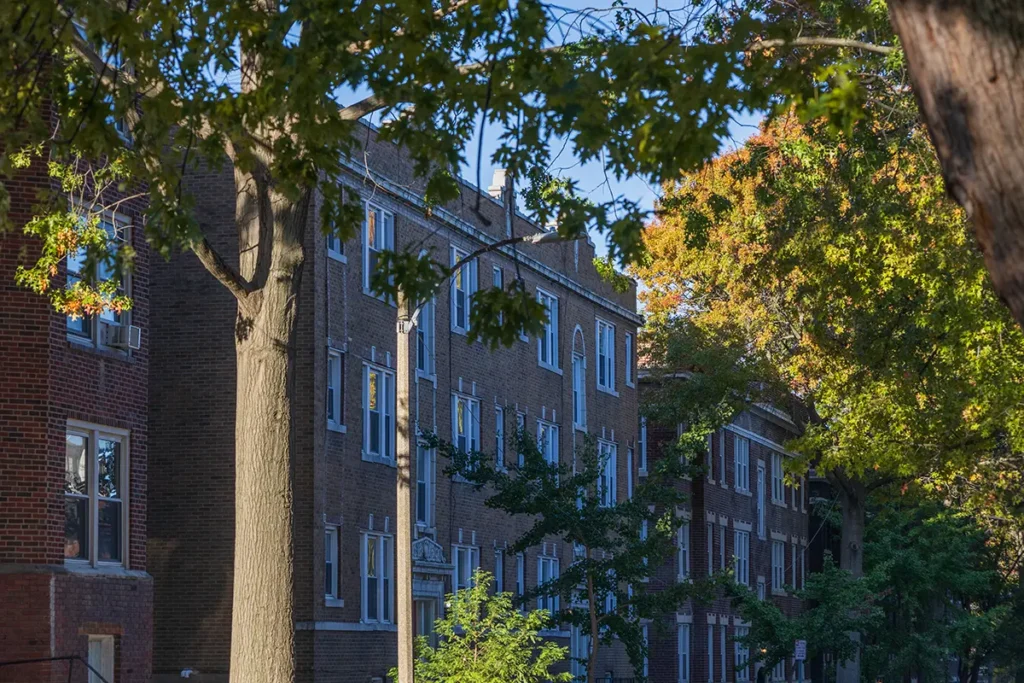
Cooling systems in rentals often get hit with a mix of old age, tenant misuse, and seasonal strain. In historic neighborhoods and older buildings, the equipment may already be working near its limit. In multi-family buildings, common walls, shared spaces, and inconsistent insulation can make rooms harder to cool evenly.
That’s why preventative maintenance should be treated as a recurring investment, not a one-time fix. Clean coils, clear drainage, correct thermostat habits, and timely repairs all matter. So does having a management partner that can respond quickly when tenants report a problem.
Why Older Homes Need A Different Summer Plan
A tenant guide to cooling older St. Louis homes should look different from advice for a newer suburban build. In many older rentals, the insulation may be weaker, the ductwork may be less efficient, and the system may be expected to do more work than it was designed for. When tenants push the thermostat too low, the equipment can struggle, ice up, or cycle inefficiently.
This is where landlords need to think beyond “repair when broken.” Older homes need better communication, more regular inspection, and more realistic expectations. If the property has window units, older central air, or uneven airflow, that should be part of the summer plan before temperatures hit their peak.
The Core Maintenance Tasks That Keep A/C Units Alive Through Heat Waves
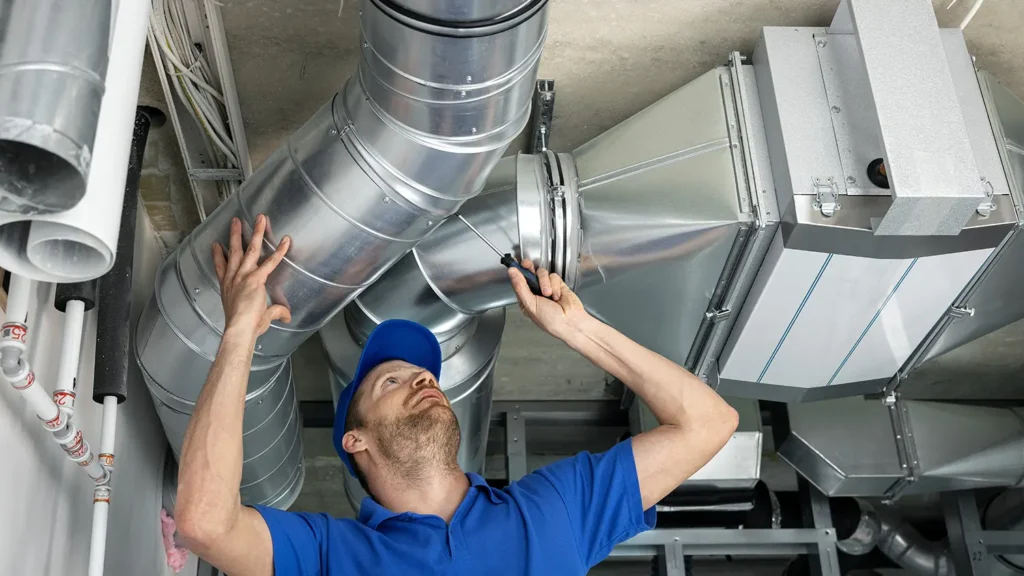
A cooling system can only do its job if it can breathe, drain properly, and operate under normal load. St. Louis rental property HVAC maintenance in summer should focus on the components most likely to fail under stress. These are the tasks that protect equipment, reduce emergency calls, and support a more stable tenant experience.
Clean The Outdoor Unit And Keep Air Moving
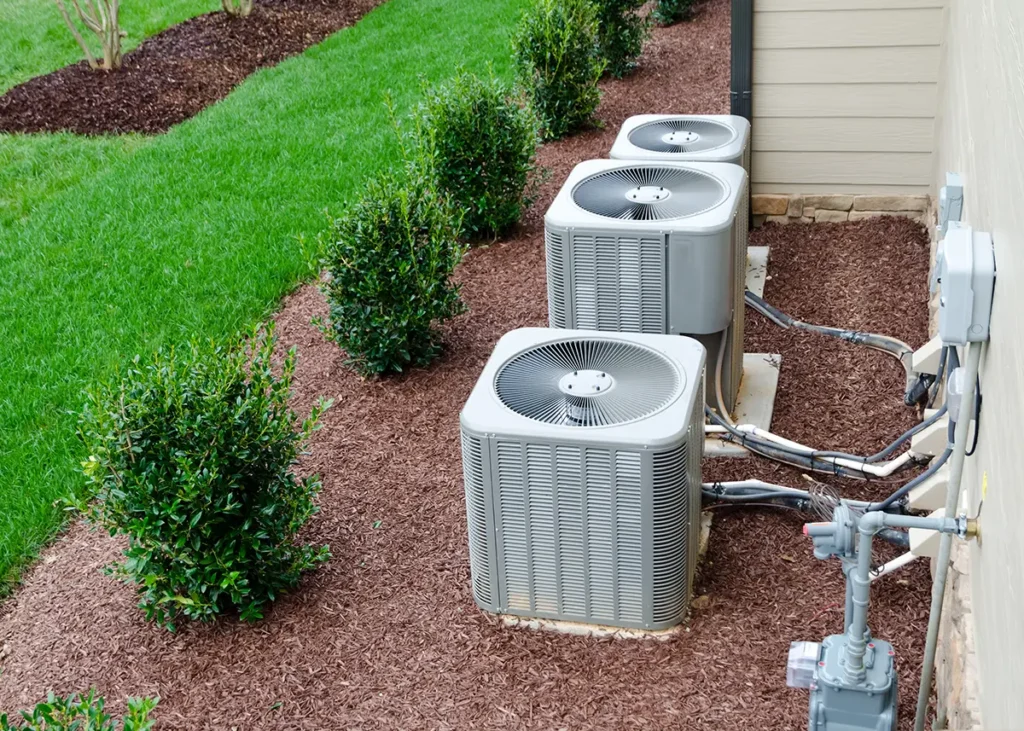
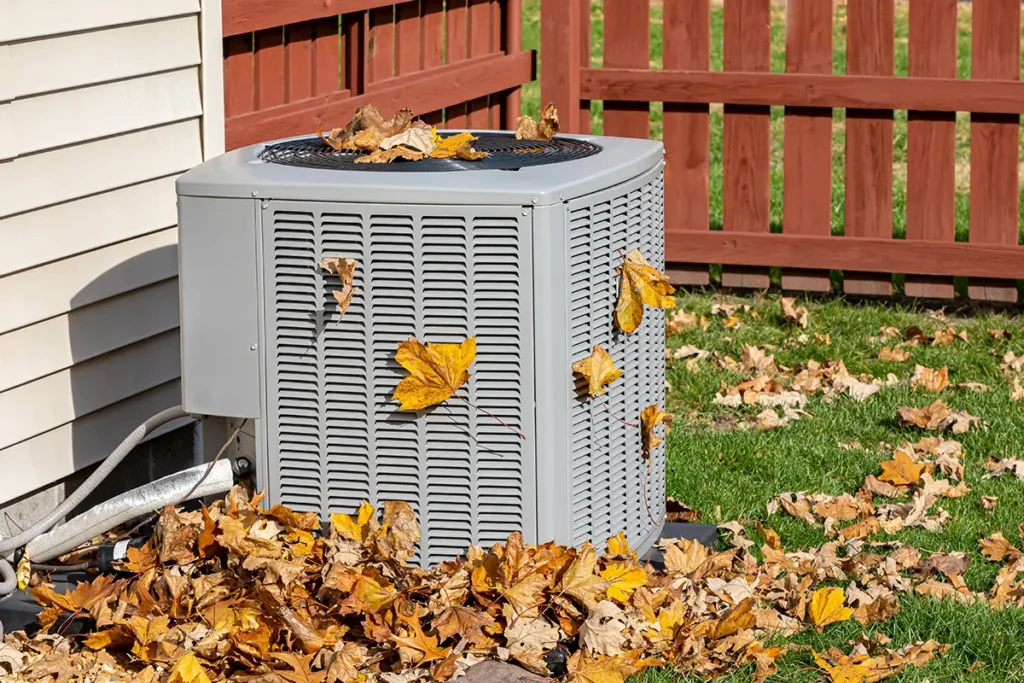
Dirt, grass clippings, cottonwood seeds, and other debris can clog the condenser area and make the system work harder than it should. When airflow gets restricted, the unit loses efficiency and may overheat. A clean outdoor unit helps the system release heat properly and avoid unnecessary wear.
This is one of the simplest forms of preventative maintenance, but it’s also one of the easiest to overlook. If a property has landscaping close to the condenser, the area should be kept clear enough that air can circulate freely. A quick visual check can prevent a bigger repair later.
Flush Condensation Lines Before They Back Up
Condensation lines, or condensate drains, are a common summer problem in rentals. In humid weather, the system produces a lot of moisture, and if the drain line gets clogged with algae, dust, or buildup, the result can be water leaks, shutoffs, or indoor damage.
A regular flush with an appropriate cleaner or clearing method can reduce the chance of a blockage. This is one of those small tasks that can save a landlord from a much larger water issue. It’s also a good reason to have consistent summer service intervals instead of waiting for a tenant to notice standing water or a shutdown.
Replace Filters And Check Airflow Regularly
A dirty filter can make a cooling system work harder, reduce airflow, and make the unit less effective during peak heat. For landlords, filter tracking is one of the most useful summer habits because it’s inexpensive, easy to standardize, and directly tied to system performance. Delivering filters every 30 to 60 days during summer gives tenants a clear reminder and removes one more excuse for neglected maintenance. It also makes the landlord look organized and proactive.
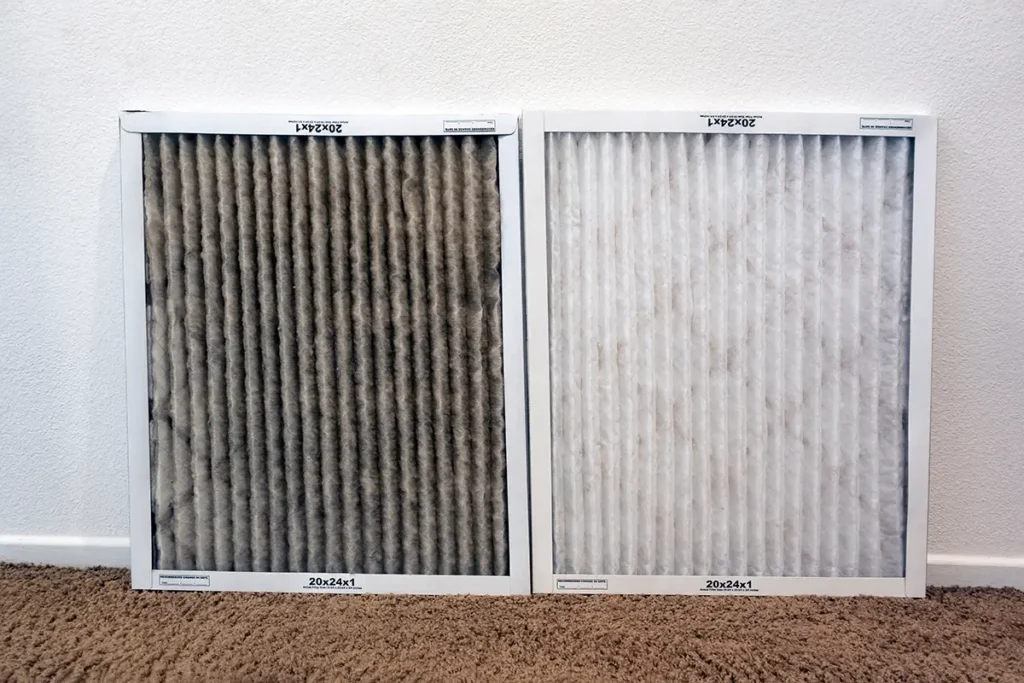
This kind of routine can be especially helpful in properties with newer renters or high turnover. The more predictable the process, the less likely the system is to suffer from clogged filters and unnecessary strain. A good filter routine is one of the easiest forms of preventative maintenance to standardize across a portfolio.
Keep Thermostat Expectations Realistic
Thermostat settings can become a source of tension when tenants expect an older system to make a home feel like a refrigerator during a 100-degree day. A practical rule is that A/C systems are not designed to cool a home to extreme indoor temperatures when outdoor temperatures are well above normal. If the outside air is brutal, the unit may struggle to maintain a big temperature difference.
That’s why communication matters. Landlords should explain reasonable thermostat settings and what working properly actually looks like in extreme weather. If tenants understand the system’s limits, they’re less likely to assume every warm room means the unit is broken.
Utility Bills, Lease Language, And The Hidden Cost Of Summer Cooling
Cooling costs can create just as much friction as equipment failures. If the lease doesn’t clearly assign responsibility, July can become the month when utility disputes start. That’s why St. Louis rental property HVAC maintenance should include financial and lease review, not just mechanical upkeep.
Clarify Who Pays For Cooling And Related Utilities
One of the biggest questions landlords run into is who pays for A/C usage, electric service, and other summer-related utilities. That’s especially important in multi-unit properties and older houses where utility setups can vary. If a lease is vague, one tenant’s cooling habits can become another party’s problem.
This is where the issue of who is responsible for A/C repairs in St. Louis rentals often intersects with utility obligations. Repairs and utility payments aren’t the same thing, and the lease should make that distinction clear. If the owner covers the system and the tenant pays the electric bill, the lease should say so plainly.
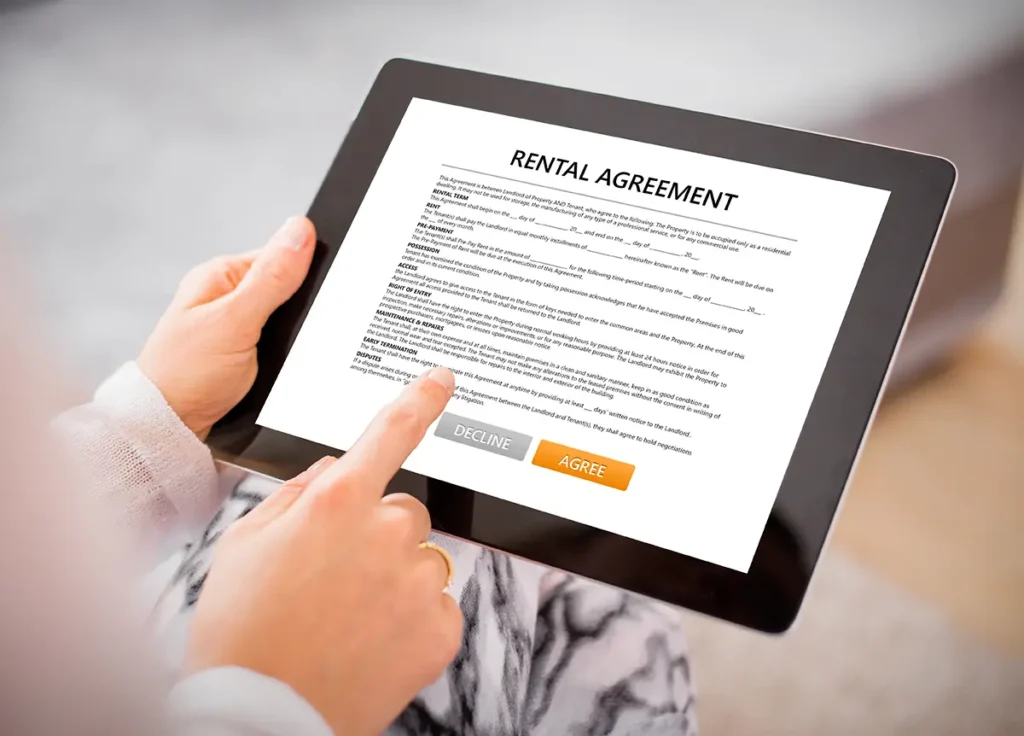
The same logic applies to landlord air conditioning laws in St. Louis. Even when a landlord isn’t responsible for paying the electric bill, they still need to keep the system in workable condition if the lease or local requirements call for it. Clear language helps reduce confusion and disputes when temperatures rise.
Understand Summer Utility Pressure In Missouri Rentals
The lease needs to spell out electric responsibility, any shared utilities, and how seasonal usage is handled.
For multi-family properties, utility responsibility becomes even more important if one meter serves multiple units. In those cases, a Ratio Utility Billing System may be worth discussing as a way to distribute costs more fairly based on occupancy or usage patterns. It’s not a fit for every property, but it can help reduce unfair cost shifting in the right setup.
Don’t Forget Outdoor Water Use And Landscaping
Cooling isn’t the only summer utility issue. In some properties, watering lawns or landscaping can create a second point of confusion. If the property has expensive landscaping or needs regular watering, the lease should define who turns the water on, who pays for it, and how use is tracked.
This is especially relevant in duplexes and multi-family rentals where utility boundaries aren’t always obvious. If you’ve ever wondered how to lower utility bills in a St. Louis duplex, a big part of the answer is making utility responsibility simple, fair, and enforceable before summer starts.
Helping Tenants Cool The Home Without Overworking The System
Tenants don’t need to become HVAC experts, but they do need basic summer habits that protect the system and help the home stay comfortable. The best rental operators treat tenant education as part of maintenance, not as a separate task.
Teach The Small Habits That Make A Big Difference
A tenant who knows how to reduce cooling load will usually run the system less, which can lower utility bills and reduce the number of service calls. That’s good for everyone. The goal isn’t to squeeze comfort out of the home. It’s to help the home cool efficiently.
Here are a few practical habits that make a real difference:
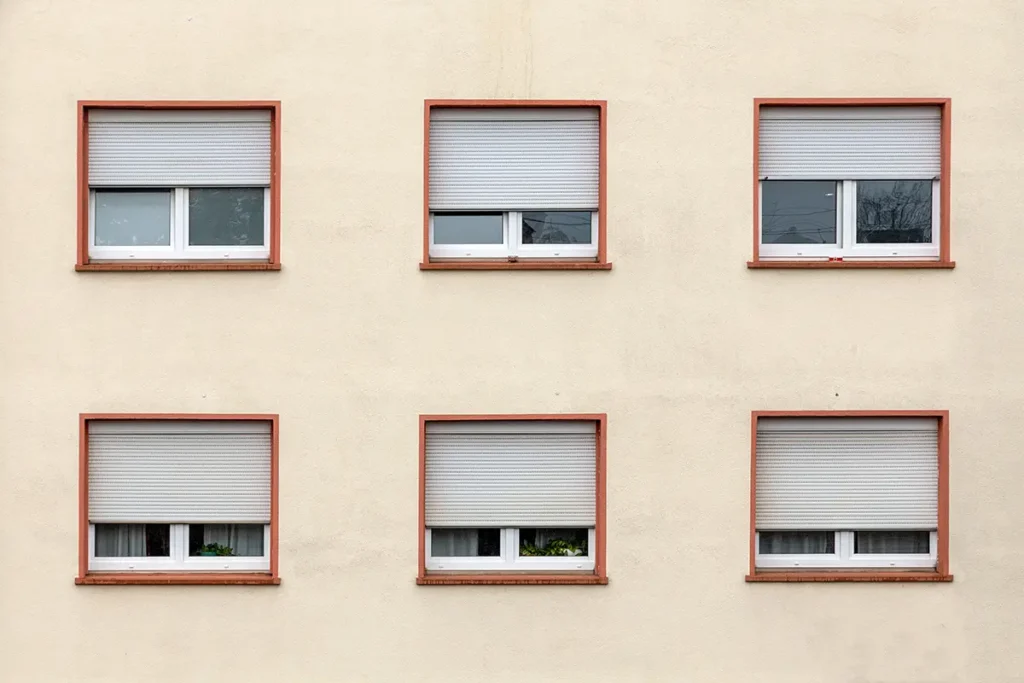
- Keep blinds or curtains closed during peak sun on south- and west-facing windows.
- Use ceiling fans to help air circulate, but don’t rely on them to replace A/C.
- Set the thermostat to a reasonable level instead of making large, repeated adjustments.
- Avoid blocking vents with furniture or curtains.
- Report weak airflow, strange noises, or water around the system early.
These small habits support a healthier system and make tenant communication easier when temperatures are extreme.
Explain Thermostat Settings In Plain Language
A lot of HVAC frustration comes from mismatched expectations. If tenants think the system should keep the house at 68°F in the middle of a record-setting heat wave, they may report a failure that is really just a system operating under normal limits. Clear guidance on thermostat settings can prevent unnecessary repair requests.
This doesn’t mean telling tenants they can’t be comfortable. It means giving them realistic guidance about how older or lightly insulated homes behave in extreme weather. In St. Louis, that’s particularly important in older housing stock, where one room may cool faster than another, and the system may need time to recover after the heat of the day.
Address Cooling Issues In Older Buildings Before They Escalate
Older properties often need more tenant education because their systems have less margin for error. In those homes, setting expectations about cooling speed, airflow, and reasonable indoor temperature targets can reduce conflict. It also helps tenants recognize when a real issue is happening, such as icing, no airflow, or water from a clogged drain.
Avenue Residential Leasing and Management often focuses on this kind of coordination because it prevents small tenant concerns from becoming larger service disruptions. When tenants know what to watch for, repairs can happen sooner and with less stress.
A Practical Summer Maintenance Checklist For Missouri Landlords
The best summer maintenance checklist for Missouri landlords should be simple enough to use, but thorough enough to prevent the most common failures. Summer is not the time for vague property care. It’s the time for repeatable, documented steps.
A useful checklist should include the following:
- Inspect and clean the outdoor condenser area.
- Replace or confirm recent filter changes.
- Flush condensate lines to reduce clog risk.
- Test thermostat operation and verify proper settings.
- Check airflow at vents and returns.
- Inspect for unusual noises, odors, or cycling patterns.
- Review utility responsibilities in the lease.
- Confirm tenant contact info for emergency maintenance requests.
- Document any repairs or service visits for future reference.
- Educate tenants about reasonable summer cooling habits.
This type of checklist works whether you own one rental or several. For a single-unit owner, it creates consistency and helps avoid missed tasks. For a combined portfolio, it creates a repeatable system that can be applied across multiple properties without reinventing the process each time.
One Property Vs. Multiple Properties: Why The Process Should Scale
If you manage one rental, you might handle St. Louis rental property HVAC maintenance with a simple seasonal walkthrough and tenant reminder system. If you manage multiple properties, you need a more scalable approach. That means standard inspection points, recurring service windows, and reliable contractor coordination.
Avenue Residential Leasing and Management is built for that broader use case. The advantage of working with a local management team is that the same maintenance standards can be applied across different units and property types, which helps avoid gaps when summer gets busy.
Why St. Louis Rental Property HVAC Maintenance Coordination Matters As Much As The Repair Itself
A broken system is stressful. A broken system with no clear response plan is worse. If a tenant reports no cooling on a Friday night, the response time matters just as much as the repair quality. That’s why 24/7 maintenance coordination is such a valuable part of property management.
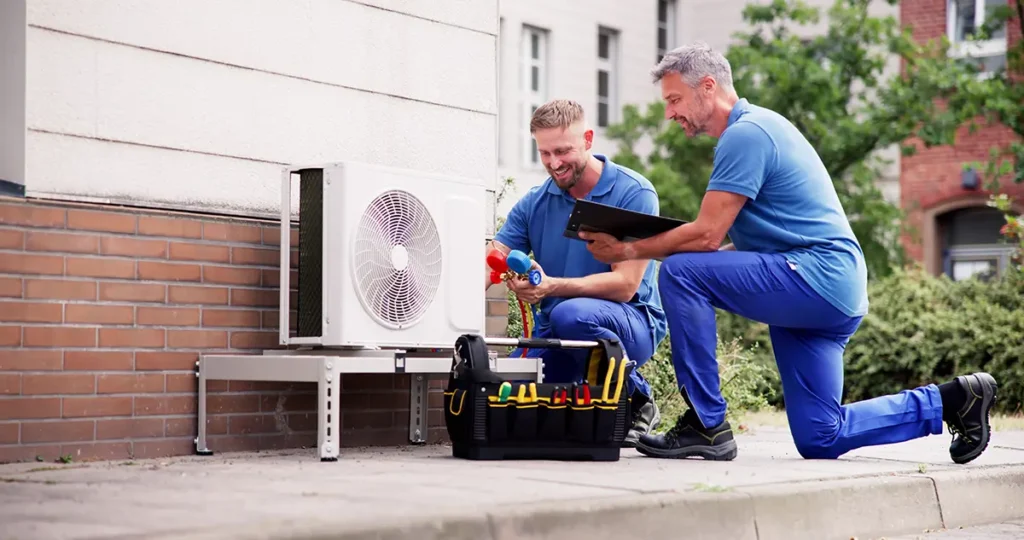
Avenue Residential Leasing and Management doesn’t just forward requests. The team coordinates with qualified third-party vendors, which helps owners avoid the scramble of finding, vetting, and managing contractors on the fly. In practice, that can mean faster response times, less confusion, and fewer extended outages during peak summer heat.
Why Avenue Residential Leasing And Management Is A Good Fit For St. Louis Owners
The best HVAC plan isn’t just about equipment. It’s about having the right operating system around the equipment. That includes lease clarity, tenant communication, emergency coordination, and ongoing property oversight. Avenue Residential Leasing and Management brings those pieces together for St. Louis owners who want a more hands-off experience without losing control of the details.
As a family-owned, St. Louis-based company with 20 years of experience, Avenue understands how local summer conditions affect rental properties. That local knowledge matters because the cooling challenges in St. Louis aren’t abstract. They’re seasonal, predictable, and often urgent.
The company also stands behind its service with client-friendly protections, including a Free Management Guarantee, which gives owners more confidence when choosing a management partner. For landlords who want fewer active headaches and more reliable systems, that kind of structure can make a big difference.
What really sets this approach apart is how it reduces friction. You’re not chasing contractor availability, juggling tenant complaints, or guessing whether a repair request is urgent. Instead, you have a team that treats HVAC maintenance as part of the broader property strategy.
That’s especially useful when summer heat collides with tenant expectations and rising utility bills. Rather than reacting to every problem one by one, Avenue Residential Leasing and Management helps build a process that protects equipment, supports tenants, and keeps the property running smoothly.
The Bottom Line For Summer Cooling Success
July is the ultimate test of a rental property’s climate control system and its utility setup. If the HVAC equipment is neglected, the lease is vague, or the tenant isn’t sure what to expect, the result is usually the same: more stress, more cost, and more disruption.