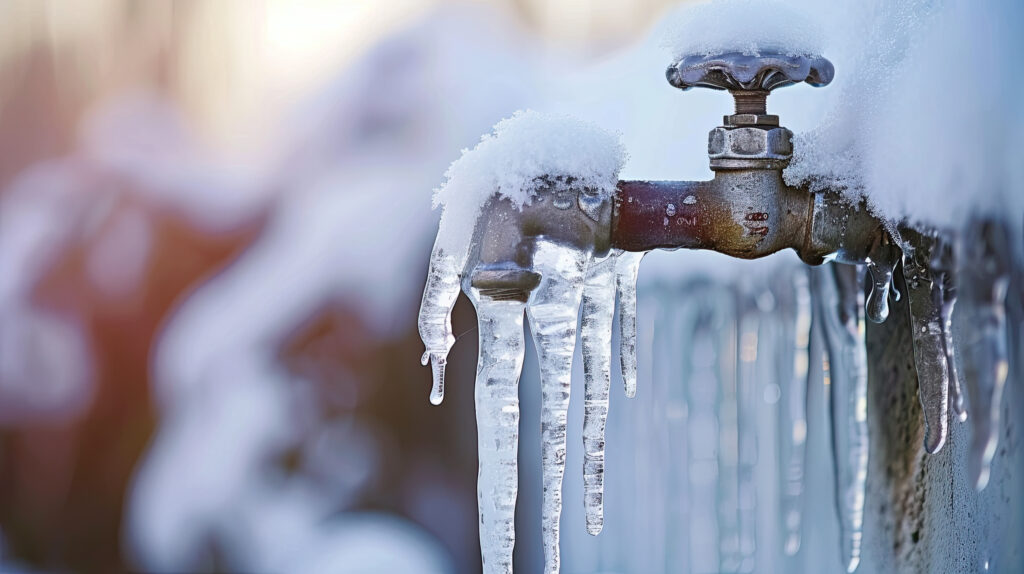
In St. Louis, the transition from mild autumn afternoons to sub-freezing overnight lows happens almost overnight. One week you are enjoying 65-degree weather in Tower Grove Park, and the next, a Polar Vortex dip pushes temperatures into the teens. A single forgotten garden hose or an untreated exterior spigot in November can lead to a shattered pipe, thousands of gallons of water in your basement, and a catastrophic insurance claim.
Many rental property owners put off winterization until the first major freeze or snowfall arrives. In our volatile Midwest climate, waiting for the weather forecast to turn white is already too late. Deferred fall maintenance creates expensive water damage, drives tenant utility bills through the roof, and exposes landlords to dangerous slip-and-fall liabilities on icy walkways.
By taking proactive steps in October to winterize plumbing, clear drainage systems, and establish clear tenant expectations around snow and ice removal, St. Louis landlords can safeguard their physical assets, minimize vacancy risk, and protect against costly winter liability.
1. Outdoor Plumbing & Freeze-Proofing: Stop the Costliest Winter Claim
Water damage from burst pipes is consistently the most expensive seasonal insurance claim for residential landlords. Exterior supply lines, unconditioned crawlspaces, and exterior-facing walls are the first casualties of a sudden freeze.
Taking these four steps before November 1st can prevent thousands of dollars in emergency plumbing repairs:
- Disconnect and Drain Every Garden Hose: Remind tenants—and verify in person—that garden hoses must be detached from outdoor hose bibs immediately. Even a “frost-free” spigot will burst inside the exterior wall if a hose remains connected, because trapped water cannot drain and expands backward as it freezes.
- Shut Off Interior Valves to Exterior Spigots: Most homes built with traditional plumbing have an interior shut-off valve (typically located in the basement or utility closet) dedicated to exterior spigots. Turn this valve off, go outside, open the exterior faucet to bleed out residual water, and leave the outdoor valve slightly open throughout the winter.
- Insulate Vulnerable Pipe Runs: Check unheated spaces, including basements, crawlspaces, and garage walls, and fit exposed water lines with foam insulation sleeves or thermostatically controlled heat tape. Pay special attention to pipes running along north-facing exterior walls.
- Blow Out In-Ground Irrigation Systems: If your rental features a sprinkler system, schedule a professional air compressor blowout before mid-November. Lingering moisture in backflow preventers and underground poly lines will crack valves and cost hundreds to replace come spring.
The St. Louis Angle: Many classic South City brick two- and four-family flats and historic homes in University City feature uninsulated limestone foundations. During extended cold snaps, these stone cellars drop below freezing rapidly. In these properties, pipe insulation and basement draft-stopping are not optional luxuries—they are non-negotiable protections.
2. Gutters, Roofs, and the “Freeze-Thaw” Ice Dam Threat
St. Louis is notorious for winter “freeze-thaw” cycles. Snow falls, melts during a 42°F sunny afternoon, and refreezes into thick sheets of ice when night falls. When melted water cannot drain freely off your roofline, it backs up behind ice dams, works its way underneath shingles, and ends up dripping through your tenant’s living room ceiling.
Protect your building envelope with these autumn maintenance priorities:
- Schedule a Post-Foliage Gutter Flush: Timing is everything. Coordinate a thorough gutter and downspout cleaning in late October or early November, once the local oak, maple, and sweetgum canopy has finished dropping leaves. Clogged gutters hold standing water, transforming gutters into heavy troughs of solid ice that can pull down fascia boards.
- Direct Downspouts 6 to 10 Feet Away: Ensure all downspout elbows and extensions deposit water well away from the foundation. When water discharges too close to the home, it puts heavy hydrostatic pressure against basement masonry walls and creates hazardous ice sheets across adjacent walkways and parking pads.
- Check Attic Insulation and Ventilation: Ice dams form when heat escaping from poorly insulated living spaces warms the upper roof deck, melting snow that runs down and refreezes at the colder eaves. Verifying proper attic insulation depth and clear soffit venting keeps the roof temperature uniform and stops ice dams before they start.
The St. Louis Angle: Historic homes across Soulard, Compton Heights, and the Central West End frequently feature intricate rooflines, valley flashing, and built-in box gutters. When box gutters freeze and overflow, water seeps into historic brick tuckpointing, leading to exterior spalling and interior plaster degradation that costs thousands to restore.
3. Sidewalk Safety & Slip-and-Fall Liability
Winter weather brings legal responsibilities alongside physical maintenance. If an icy front stoop or un-shoveled public sidewalk causes a tenant or delivery carrier to slip and suffer an injury, who is held liable?
Mitigating liability requires clear communication, proper supplies, and timely execution:
- Clarify Lease Responsibilities in Writing: Your lease agreement must explicitly detail who handles snow and ice removal. In single-family detached rentals, maintenance obligations often fall to the tenant. In multi-family properties, common walkways, stairs, and parking areas are the legal responsibility of the property owner.
- Provide Concrete-Safe Ice Melt: Supply multi-family common entryways with a dedicated, covered bucket of ice melt. Stick to calcium chloride or magnesium chloride blends rather than standard rock salt (sodium chloride). Rock salt degrades concrete surfaces, destroys historic masonry mortar, and damages pet paws.
- Lock Down Snow Removal Contracts Early: Do not wait until the first winter storm forecast to call snow removal contractors. Secure a seasonal vendor agreement before November with defined service triggers (e.g., automatic clearing whenever accumulation exceeds 2 inches).
The St. Louis Angle: St. Louis City and municipal codes across St. Louis County mandate the clearance of public sidewalks adjoining a property within specific windows following a winter event (often within 24 hours). Leaving sidewalks iced over invites municipal citations as well as personal injury claims.
4. The Property Management STL Advantage
Balancing ladder work, inspecting plumbing bibs across multiple zip codes, and negotiating snow clearing contracts in late autumn is demanding, time-consuming work. For DIY landlords, a single overlooked detail can turn into an emergency midnight call.
At Avenue Property Management, we handle winter preparation systematically:
- The Annual October Winterization Sweep: Our vetted maintenance technicians inspect properties across your portfolio before the first hard freeze, ensuring exterior valves are secured, sprinkler lines are blown out, and furnace filters and burners are tested.
- Tenant Winter Guides: We provide clear, automated seasonal instructions to all residents, educating them on indoor temperature minimums (maintaining at least 65°F during freezes) and what to do during deep cold snaps.
- 24/7 Emergency Dispatch: When winter weather turns extreme, our emergency response coordinators monitor conditions around the clock, dispatching pre-contracted vendors immediately when heating or plumbing issues arise.
By transferring operational oversight to seasoned local professionals, you protect your property equity, stay compliant with local municipal codes, and insulate your bottom line from preventable disasters.
Stay Ahead of the Freeze
Winter in the Midwest is notoriously unpredictable, but your property management strategy doesn’t have to be. Taking focused, proactive action in October prevents seasonal weather from cutting into your rental yields.
Is your St. Louis rental property truly protected against the upcoming freeze? Contact Avenue Property Management today to schedule a comprehensive Pre-Winter Property Inspection and safeguard your investment.