The first cold night is a poor time to find out a rental’s furnace needs repairs. It is also when a hose left attached to an outdoor faucet can become a much bigger problem.
October is a good time to winterize your rental property in St. Louis. Schedule the work before freezing weather arrives, and give tenants clear instructions before they need them. A fall visit should leave you with a record of what was checked and who will handle any remaining repairs.
At Avenue Residential Leasing & Management, we help owners coordinate maintenance and communicate with residents. Here is a practical checklist to help you get your rental ready for winter.
1. Schedule heating service before temperatures drop
Have a qualified HVAC contractor service the heating system before tenants rely on it every day. Turning the thermostat up confirms that heat comes on, but it does not replace a professional inspection.
Ask the contractor to check safe operation and address any concerns with the equipment. For fuel-burning systems, that includes proper venting. Replace the filter with the correct type, then set a replacement schedule based on the equipment’s requirements.
For an occupied rental, coordinate access with the resident and provide the notice required by the lease and applicable rules. Ask whether any rooms stay cold or whether the system has been making unusual sounds. Those details can help the technician find a problem during the appointment.
Before closing the work order, keep the service report and confirm that recommended repairs have been addressed.
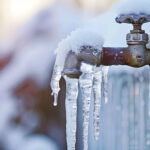
2. Protect pipes and exterior faucets
A rental with plumbing along an exterior wall may need different preparation than one with water lines in heated interior spaces. Look at the property’s layout and any history of frozen pipes.
- Disconnect garden hoses and drain them before storage.
- Have exterior faucets shut off and drained where the plumbing configuration allows. Follow the faucet manufacturer’s instructions.
- Arrange professional winterization for irrigation systems, if present.
- Insulate vulnerable pipes in unheated areas and address drafts nearby.
- Locate the main water shutoff and make sure it is accessible.
Do not assume a frost-free faucet is protected while a hose remains attached. Ask a plumber to assess any exterior connection you are unsure about.
Give tenants property-specific instructions for severe cold. They should know how to report reduced water flow and whom to call if a pipe leaks. If a pipe appears frozen, have them contact you promptly rather than attempt to thaw it with an open flame.
3. Clear gutters and check where water goes
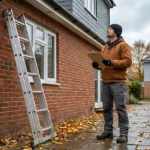
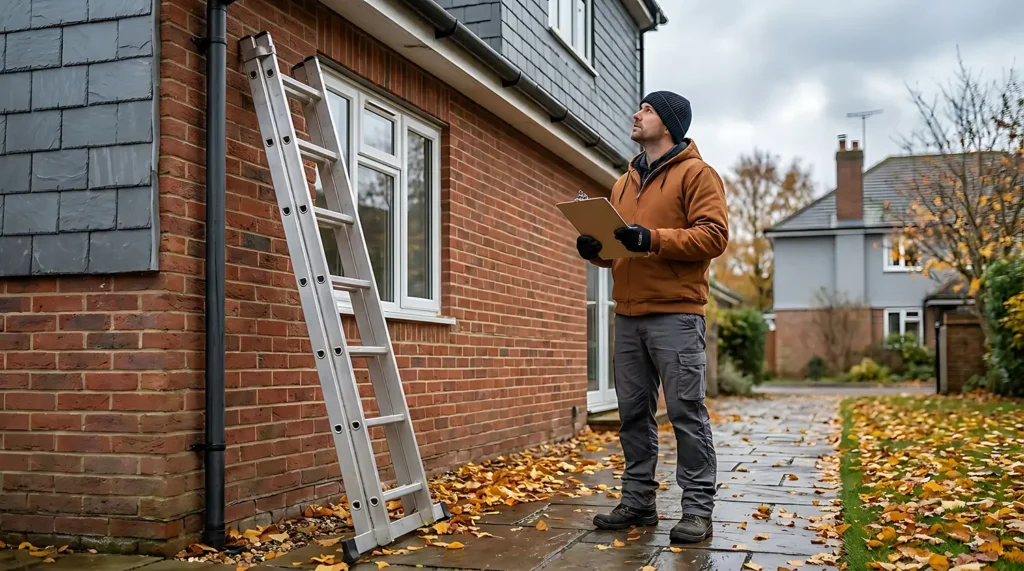
Gutter cleaning should include checking the downspouts. A clear gutter will not help much if water backs up at the outlet or drains toward the foundation.
Arrange cleaning during fall and check again after heavy leaf drop. Do not delay necessary cleaning while waiting for every leaf to fall.
Look for water spilling over the gutter edge during rain. Check whether downspouts discharge onto walking surfaces, where runoff could freeze. Standing water near a basement entrance also deserves attention before winter.
Have a qualified contractor investigate roof leaks or damaged flashing. A ceiling stain reported by a tenant should become a maintenance request, even if it only appears during certain storms.
4. Repair drafts around doors and windows
Ask residents where they notice cold air, then inspect those areas during the fall visit. Replace worn weatherstripping and repair gaps with materials appropriate for the surface.
Make sure windows close and latch properly. Check exterior doors for a good seal, including the door between an attached garage and the home.
Avoid sealing required ventilation openings or window drainage holes. If a room remains cold after minor repairs, have a contractor assess the cause rather than assuming more caulk will solve it.
5. Test smoke and carbon-monoxide alarms
Check that the rental has the alarms required for its location and configuration. Test each device according to the manufacturer’s instructions, and replace expired or malfunctioning units.
The U.S. Consumer Product Safety Commission recommends testing smoke and carbon-monoxide alarms monthly. Include that reminder in your seasonal tenant communication, along with instructions for reporting a chirping or damaged device.
Make sure residents understand that a carbon-monoxide alarm requires immediate action. They should move outside to fresh air and call emergency services, rather than wait for a routine maintenance response.
6. Make a plan for snow and ice
Walk the route from parking to the front door. A loose handrail or uneven step can be harder to navigate when the surface is slippery. Repair those problems before winter, and check that exterior lighting works.
Confirm the snow-removal arrangement in writing:
- Who will clear each walkway or driveway?
- Who will provide appropriate ice melt and equipment?
- Who handles shared areas or steps in if the assigned person is unavailable?
Check the lease and applicable local requirements before assigning responsibilities. For a rental within an association, confirm what the association’s service actually covers. A plowed street does not necessarily mean the steps to the home will be cleared.
7. Give tenants a short winter maintenance reminder
Residents should receive instructions they can use, not a long maintenance manual. Send the reminder before the first freeze and follow up when severe weather is forecast.
Explain how to report a heating failure and which number to use after hours. Clarify any routine tasks assigned under the lease, such as filter replacement. Include instructions for keeping heat on during an absence and disconnecting hoses if that task belongs to the resident.
Keep reminders consistent with the lease. A seasonal email should explain existing responsibilities rather than quietly add new ones.
8. Include vacant rentals in your winter plan
An empty home can develop a leak without anyone noticing. Assign someone to check the property regularly and verify that heating service and utilities remain active.
The American Red Cross recommends leaving heat on at no less than 55°F when away. Treat that as general freeze-prevention guidance, not a guarantee that every property’s pipes will stay safe. A vulnerable home may need a higher setting or additional protection.
If you plan to shut down a vacant property, have a qualified professional determine how its plumbing and heating systems should be winterized. Turning off the water alone does not remove water already inside the system.
Keep a record and follow through
For each rental, document the inspection date and completed work. Give every outstanding repair a responsible person and a target date. Review unresolved items before a freeze warning.
Preventative maintenance can reduce repair costs by catching problems before they cause additional damage. Fixing a small leak may avoid damage to the ceiling below it. Heating service may uncover a worn component before the system stops working. It will not prevent every emergency, but it gives you time to plan repairs.
Our rental property maintenance guide explains how seasonal work fits into a year-round plan. Existing Avenue owners can also visit the Owner FAQ for help reviewing bills and documents in their portal.
Need help coordinating winter preparation?
Seasonal maintenance takes follow-through, especially when you live outside the area or own more than one rental. A property manager can arrange vendor appointments and coordinate tenant access, then keep you informed about the work.
At Avenue, our property management services in St. Louis include maintenance coordination and resident communication.
Contact our team to discuss your rental and the support you need before winter.
Frequently Asked Questions
When should St. Louis landlords winterize rental properties?
Start in early fall, with October as a practical target for completing essential work. Watch the forecast and finish freeze-sensitive tasks before freezing temperatures arrive. Recheck gutters after heavy leaf drop.
What should landlords inspect before freezing weather?
Prioritize the heating system and vulnerable plumbing. Then check drainage and weather seals. Test safety alarms and inspect exterior walking surfaces. Include any area with a history of winter problems.
Who is responsible for winter maintenance in a rental property?
Responsibilities depend on the lease and applicable law. Owners should arrange necessary property repairs. Tenants may have routine duties under the lease, but those assignments do not automatically remove an owner’s obligations. Explain the arrangement before winter begins.
How can preventative maintenance reduce winter repair costs?
It can catch a defect before it becomes an emergency or damages another part of the home. Scheduled work also gives owners more time to review repair options. Savings vary with the property and the problem.
Can a property management company coordinate seasonal maintenance?
Yes. Depending on the management agreement, a company can schedule inspections and contractors, coordinate access with tenants, and track follow-up repairs. Ask which seasonal services are included and how repair approvals work.